

Harmony in Armour: Achieving Ideal Chakusō in Kendo
Look sharper. Move better. Train safer.
About Nanahoshi & TETSU: Nanahoshi is the sister brand of Tokyo Shobudo’s “TETSU” line, crafted in the same workshop overseen by master artisan Eiichi Tetsukawa. It delivers the same exacting standards of fit, materials, and finishing—refined for everyday Keiko and contemporary needs.
Key Takeaways
- Fit is fundamental: Properly fitted Bogu functions like a second skin; mis-sized pieces hinder movement and compromise safety. A good fit reduces fatigue because you don’t have to over-tighten cords and helps you focus on Keiko.
- Measure carefully: Take accurate head, hand, waist, and hip measurements. The Men should be built around the Hachimawari and Hokkamuri circumferences and the Monomi (eye line); Kote patterns must match both palm length and width.
- Correct wearing is a learned skill: Tying cords in the proper order, adjusting overlaps, and smoothing wrinkles improves appearance and prevents accidents. For example, Men-himo should form an isosceles triangle and be tied behind the Monomi.
- Materials matter: Traditional felt and cotton padding absorb shock better than many synthetics. For Do, bamboo shells provide superior impact absorption; for Tare, a Futon thickness around 2 bu 5 rin (≈7.6 mm) balances cushioning and weight.
- Custom options through Nanahoshi: At KendoStar we work with Mr. Tetsukawa—Nanahoshi brand—to offer custom Bogu with dozens of patterns and sizes. Bespoke gear ensures harmony between body and armour.
Why Chakusō Matters
Proper wear is often compared to donning Yoroi in the old days. If the armour sits correctly, the silhouette is unified and dignified. This isn’t just cosmetic: a Men that doesn’t sit flush or a Do that gaps at the sides forces mid-practice adjustments, disrupts focus, and may even risk accidents. Neat, secure Kendogi, smooth Hakama pleats, and correctly tied cords reflect discipline and care for partners.
When equipment matches your body, you use less energy. KendoStar customers frequently note that well-fitted Men and Kote reduce fatigue and allow comfortable, longer Keiko. If you’re constantly fighting stiff Kote or a restrictive Do, your cuts suffer and enthusiasm wanes.
Cultural Significance
Chakusō is intertwined with etiquette. The collar of your Kendogi and the Koshi-ita of your Hakama should hug the spine so the back straightens naturally. Even the pleats of the Hakama carry teachings—benevolence, justice, courtesy, wisdom, and trust. Respect for tradition starts with caring for your uniform and armour.
Fitting and Wearing the Men
Measuring for a Perfect Fit
The Men (helmet) protects your head and throat while allowing clear vision and breathing. Its life is in its tailoring. The main measurements:
| Measurement | How to measure | Purpose |
|---|---|---|
| Hokkamuri (head length) | From crown → over ears → under chin. | Determines vertical size of the helmet. |
| Hachimawari (head circumference) | Around the forehead like a headband. | Sets horizontal circumference for a snug fit. |
| Monomi (eye line) | Centre of pupil → tip of chin. | Aligns grille opening with your eyes. |
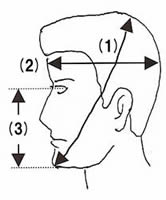
Nanahoshi Men are available in multiple grille sizes to match different head shapes and keep proportions consistent. When you order, provide these measurements along with head and chin circumferences; our team will help select the appropriate size.
Wearing and Adjusting the Men
Align the grille parallel to your face—no gapping at the jaw and no pressure points. Form an isosceles triangle with the Men-himo and tie directly behind the Monomi (between the sixth and seventh bar). Attaching cords at the fourth bar, then crossing at the back, helps stability. Avoid over-tightening—if the size is correct, only firm tension is required.

Futon shape: The Men Futon should resemble “Mt. Fuji”: tips just beyond the shoulders and returning to shape as you raise/lower your arms.

Nanahoshi Recommendations – Men
We recommend the Nanahoshi “Standard” Men for everyday Keiko. It uses breathable cotton and offers a Men-gane in numerous sizes for a precise fit. For tournaments, gradings, or demonstrations, the Nanahoshi “Premium” Men adds elegant embroidery and higher-grade materials for a dignified silhouette. Custom adjustments (length, width, padding) are available through KendoStar.
Selecting the Right Kote
Natural Grip and Hand Patterns
If you struggle to swing straight or to snap the wrists during Kirikaeshi, sizing may be at fault. The goal is to replicate the thumb’s natural line with the forearm so you can grip the Tsuka without strain and extend fully.

Measure palm circumference at the widest point and length from wrist crease to middle fingertip. Nanahoshi create a bespoke template so the glove preserves wrist flexion and avoids dead space.
Wearing Tips
- Put on left Kote first, then right (etiquette and easier cord handling).
- Cuffs should cover at least half of the forearm; trim long cord ends.
- After Keiko, air-dry in the shade; avoid direct sun to protect leather.
Nanahoshi Recommendations – Kote
For beginners and intensive practice, the Nanahoshi “Standard” Kote uses resilient Orizashi cotton that dries quickly. The “Premium” Kote feature full reinforcement in genuine Aizome deerskin.
Matching Your Body with the Do
Chest and Body Plate Integration
The Do consists of a hard body plate and a decorative chest piece (Mune). For comfort, these must be harmonised. Too wide and you can’t draw the elbows in; too high/low and strikes or Reiho feel impeded. Many women prefer shorter, narrower chest pieces to avoid the Mune pressing the throat.
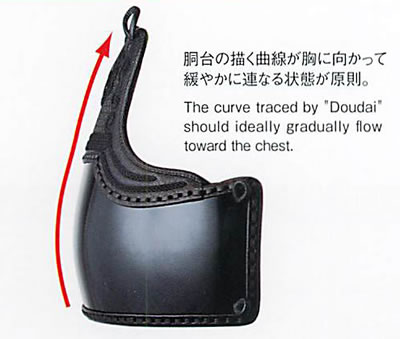
Consequences of Poor Fit
- Too large: blocks arm extension, pinches during seated bowing, damages the top of the Tare.
- Too small: excessive gaps between the Men’s throat and chest reduce protection.
- Measure waist/hips accurately and share height/weight when ordering.
Materials and Maintenance
Common shells include lacquered bamboo, Yamato (resin), and fibre. Bamboo offers superior shock absorption; fibre is lighter and economical. High-end Nanahoshi Do use bamboo slats, and genuine Urushi lacquer. Lightweight resin or fibre is good for durability and ease of maintainence. To maintain bamboo, insert a spacer rod to keep your ideal width; occasionally polish lacquer gently and wash cords separately.
Nanahoshi Recommendations – Do
The Nanahoshi “Standard” Do uses a lightweight shell. For a traditional feel, the Nanahoshi “Bamboo Deluxe” Do uses hand-selected bamboo slats lacquered for durability. Both offer Mune pattern/height options to suit your build.
Fitting the Tare
Balancing Protection and Movement
The Tare protects the hips and lower abdomen. It comprises three large flaps (Ō-tare), two small flaps (Ko-tare), a belt, and strings. The belt should sit above the junction of Hakama and Obi; from the side, the edge of the Ō-tare should align with the side of the Do. If it wraps too far around the back, it interferes with sitting and looks untidy.
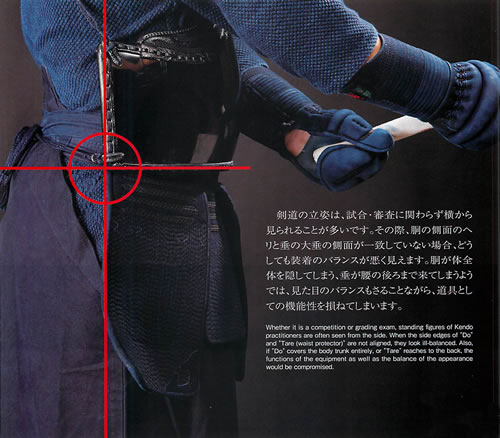
Measuring and Materials
Measure waist and hips for belt length and provide height and weight for context. The heart of the Tare is its Futon: ~2 bu 5 rin (~7.6 mm) thickness with sensible stitch spacing balances shock absorption and weight. Traditional felt and cotton remain benchmarks for reliable cushioning.
Wearing the Kendogi and Hakama
- Deep Kendogi overlap and smooth back; sleeves almost reach the Kote padding.
- Choose Hakama length to just cover the ankles, and lightly touch the top of the feet.
- Tie cords firmly, tuck excess neatly, refold pleats after practice.
- Dry in shade; avoid damp storage to prevent odour and mould.
Special Considerations for Women and Youth
Women and children often wear gear sized for adult men. A first custom Bogu can look surprisingly small - yet fit perfectly and improve posture and technique. Women may prefer smaller Mune, narrower belts, and shorter Futon to avoid hindrance; lighter equipment reduces fatigue for those with less upper-body strength.
For young students, match equipment to their stage of development - even if this differs from adult competition specs. Parents should consult experienced suppliers like KendoStar for sizing and teach children correct wearing and tying.
Care and Maintenance
- After Keiko: remove in reverse order - Kote → Men → Tenugui → Do → Tare. Wipe sweat or lightly mist to dissolve salt, then air-dry in shade.
- For washable parts, use lukewarm water, gently scrub inside the Kote, rinse until clear, reshape, and dry out of direct sunlight.
- Keep bamboo Do away from extreme dryness/humidity; use a spacer to maintain width. Replace worn leathers/cords promptly.
Frequently Asked Questions
How tight should I tie my Men-himo?
If the Men is sized correctly, tie firmly enough that the helmet doesn’t move during practice—no more. Aim for an isosceles triangle tied behind the sixth–seventh bar.
What measurements do I need to order custom Nanahoshi gear?
Men: Hachimawari, Hokkamuri, and Monomi. Kote: palm circumference & length. Do/Tare: waist & hip, plus height & weight.
Is bamboo or fibre better for the Do?
Bamboo absorbs impact better but is heavier and needs more care. Fibre shells are lighter and economical but may transmit more shock. Choose based on priority—or consider hybrids.
Featured: Nanahoshi “Designed by TETSU” Premium Bogu Set
Built in the workshop under Eiichi Tetsukawa, the Nanahoshi set balances traditional protection with crisp, contemporary comfort. KendoStar customers get personal sizing support and custom options for a truly perfect fit.


